Best filament dryers and storage
Quick answer
For PLA and PETG, a vacuum storage bag kit with desiccant like the $25.49 Odilona set is enough to keep spools dry between prints; nylon and other fast-absorbing filaments need an active heated dryer, such as the Creality Space Pi SE Pro ($49.99, stated 45 to 65C), because vacuum bags cannot remove moisture already absorbed.

Creality 2026 New Upgrade Filament Dryer Box Pro, Space Pi SE with High PTC Efficiency & Precision Sensor for 1KG Spools 45~65℃, 3D Printer Filament Dehydrator for PLA PETG ABS ASA TPU
Active heat, a stated 45 to 65C range with a temperature sensor, actually drives out moisture already absorbed into a spool, which vacuum bags and desiccant alone cannot do once filament is already wet.
The three tiers
Beginner: Best for PLA and PETG storage
a printer running mostly PLA or PETG who wants to stop moisture pickup between print sessions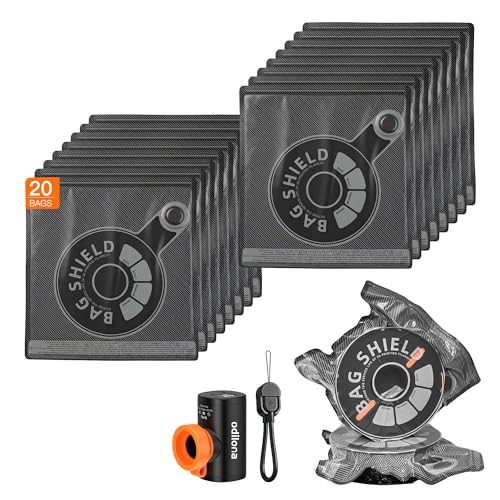
This 20-bag vacuum storage kit with a USB pump and desiccant packs seals spools away from ambient humidity between prints, which is the main defense most owners need. PLA and PETG absorb moisture much more slowly than nylon, so keeping them sealed when not in use is usually enough to prevent the popping, stringing and weak layers that wet filament causes.
Not for: nylon or another fast-absorbing filament that is already wet; vacuum sealing stops further moisture pickup but does not remove moisture the spool has already absorbed, so a wet nylon spool needs active drying first
Intermediate: Best active dryer
anyone printing filament that has already absorbed moisture, or who wants insurance against it before a long printThis dryer box states a 45 to 65C range with a precision sensor for a 1kg spool, which is enough active heat to drive out moisture that has already worked its way into the filament, something a sealed bag cannot do. Running a spool through before a long or detailed print removes the pops and stringing that wet filament causes partway through.
Not for: someone drying multiple spools or materials at once on a schedule; a single-chamber box becomes a bottleneck once more than one spool needs drying at a time
Expert: Performance ceiling
a small print farm or heavy nylon user drying multiple spools or materials at once
This 4-spool dryer states a 200W PTC heater reaching up to 85C across dual heating chambers, which covers nylon's higher drying needs while a second chamber runs a different material at a different temperature at the same time. For a shop managing several spools across several printers, drying capacity for one spool at a time is a real bottleneck this solves.
Not for: a single hobby printer running one or two spools occasionally. Do not spend $159 on a 4-spool dryer if a $25 vacuum bag kit or a single-spool dryer already covers your actual print volume
| Product | Price | Type | Stated capability |
|---|---|---|---|
| Odilona Vacuum Storage Bag Kit | $25.49 | Passive storage | 20 bags, USB pump, desiccant, for 1kg spools |
| Creality Filament Dryer Box Pro Space Pi SE | $49.99 | Active dryer | 45 to 65C, sensor, 1kg spool |
| Creality Filament Dryer Box 4 Spools Space Pi X4 | $159.00 | Active dryer, 4 spools | 200W PTC, up to 85C, dual heating chambers |
Why does nylon need drying more than other filaments?
Nylon absorbs moisture from the air faster than any other common 3D printing filament. Its molecular structure pulls in ambient humidity more readily than PLA, PETG, ABS or ASA, which means a spool left out of sealed storage can pick up enough moisture to affect a print within a much shorter window than those other materials.
Wet nylon does not just underperform slightly, it pops audibly as trapped moisture flashes to steam in the hot end, strings excessively between features, and prints with noticeably weaker layer adhesion than the same nylon dry. Any of those symptoms on a nylon print is reason to dry the spool before printing again, not just adjust temperature settings.
Can vacuum storage bags dry out filament that is already wet?
No. A vacuum bag with desiccant removes air, and the humidity it carries, from around a spool, which stops the spool from absorbing more moisture while sealed. It does not pull moisture that has already worked its way into the filament back out. Once a spool is wet, it needs active heat over time, an actual dryer box, to drive that moisture back out before it prints well again.
How do I know if my filament needs drying?
Listen and look during a print: popping or crackling sounds at the nozzle, excessive stringing between separate features, a rough or bubbly surface finish, and layers that pull apart more easily than usual are the common signs. PLA and PETG show these signs less often and more slowly than nylon, but any filament left unsealed in a humid environment for weeks can develop them.
Do I need to store filament in a dryer, or just dry it before printing?
Either approach works depending on habits. Some owners dry a spool for a couple of hours right before a print that matters, then store it sealed the rest of the time. Others keep filament, especially nylon, inside an active dryer box continuously while it is loaded on the printer, since some dryer boxes are designed to feed filament out while running. Check whether a specific dryer box supports print-through-drying before assuming it does.
How we chose
This roundup is researched from manufacturer listings and published specifications, not from in-person testing. Every product named is checked against PrintFarmCalc's own catalog of verified Amazon listings before it is recommended.
The deciding factors were whether a product actively removes moisture with heat versus only preventing further pickup, what temperature range or capacity is actually stated in the listing, and whether the capacity matches how many spools or materials a given user actually manages at once.
Buying tips
Passive storage and active drying solve different problems
A vacuum bag with desiccant prevents a dry spool from absorbing moisture from the air. It does nothing to remove moisture a spool has already absorbed. An active dryer box applies heat over time to drive existing moisture out. Know which problem you actually have before buying: prevention or a cure.
Nylon needs active drying more than any common filament
Nylon absorbs moisture from the air faster than PLA, PETG, ABS or ASA, and wet nylon pops, strings and prints noticeably weaker than dry nylon. If nylon is part of the print queue, plan on an active dryer, not just vacuum storage, and expect to dry a spool before use more often than with other materials.
Check what temperature and capacity a dryer actually states
Buy based on the specific range and spool capacity a listing states, not a general "dryer box" label. A box stating a 45 to 65C range with a sensor is doing more than a box with no stated range at all, and a stated wattage or multi-chamber design tells you whether it can handle more than one spool at a time.
Desiccant needs recharging, not just buying once
Silica gel desiccant packs saturate with moisture over time and stop absorbing more. Many are color-indicating and can be recharged by drying them in an oven or a filament dryer box, which is worth doing regularly rather than treating desiccant as a one-time purchase.
Other options worth knowing about
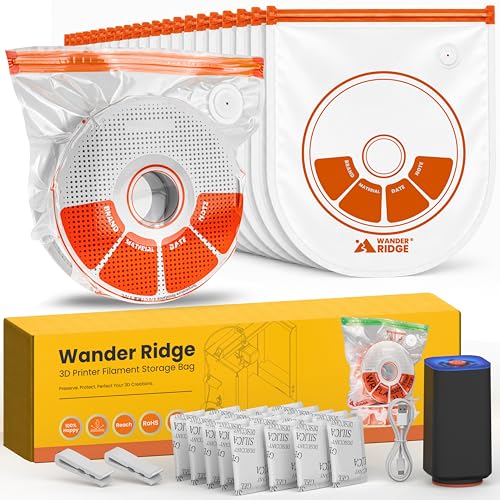
- QIJIAYI
3D Printer Filament Vacuum Storage Bags, 20 Bags, Pump and Desiccants
$26.99 Check pricePrices change often - Polymaker
Polymaker Polydryer Filament Storage Box for 1kg PA Nylon PLA PETG ASA ABS
$27.99 Check pricePrices change often


Safety
Common questions
Can vacuum sealing alone dry out wet filament?
No. Vacuum sealing with desiccant prevents a dry spool from absorbing new moisture from the air, but it does not remove moisture already inside the filament. Once a spool is wet, it needs active heat from a dryer box over a period of hours to actually drive that moisture back out.
Why does nylon need drying more often than PLA?
Nylon absorbs moisture from the air faster than PLA, PETG, ABS or ASA due to its molecular structure. That faster moisture pickup means a nylon spool can go from dry to print-affecting wet in a much shorter time out of sealed storage, which is why nylon specifically needs regular active drying, not just occasional storage.
What temperature should a filament dryer reach?
This depends on the material and what a specific dryer states; check the listing rather than assuming. A dryer stating a 45 to 65C range with a sensor covers common filaments like PLA, PETG and ABS. Nylon generally benefits from the higher end of what a dryer states, which is one reason a higher-capacity dryer with a stated higher ceiling is useful for heavy nylon users.
What happens if I print with wet filament?
Wet filament pops and crackles at the nozzle as trapped moisture turns to steam, strings excessively between separated features, and prints with layers that adhere to each other more weakly than dry filament. The part may look acceptable but fail more easily under load than the same design printed dry.
Do PLA and PETG really need an active dryer, or is a sealed bag enough?
For most owners, a sealed vacuum bag with desiccant is enough for PLA and PETG, since both absorb moisture much more slowly than nylon. An active dryer becomes worth owning once a spool has already been left out and shows signs of moisture, popping, stringing, or weak layers, or once nylon or another fast-absorbing filament joins the print queue.