Washing and curing resin prints
Quick answer
Wash a fresh resin print in isopropyl alcohol until the surface is no longer tacky, then cure it under UV light until it stops feeling soft; a combined station, such as the ELEGOO Mercury Plus 2.0 Wash and Cure Station ($98.99), does both steps and holds parts so hands never need to touch uncured resin directly.
The purpose and order of washing and curing reflect standard resin manufacturer instructions; specific wash times and cure durations vary by resin brand and are left general here rather than stated as fixed numbers.
Why does a resin print still need work after it comes off the printer?
A part straight off the build plate has only been shaped by the printer; it has not finished chemically hardening, and its outer surface is coated in a layer of resin that was never exposed to UV light during printing. That coating is fully uncured and remains a skin sensitiser until it is removed and the part is properly cured.
Washing removes the uncured surface layer and curing finishes hardening the resin all the way through. Treating a freshly printed part as "done" before both steps is the most common way resin printers end up with sticky, weak or unsafe parts.
What is actually happening when I wash a print in isopropyl alcohol?
Isopropyl alcohol dissolves the thin, uncured resin film clinging to the surface of the part without meaningfully attacking the resin that has already cured underneath. Agitating the part in IPA, whether by hand or in a wash station, speeds this up by constantly bringing fresh alcohol into contact with the surface.
A part is adequately washed once the surface no longer feels tacky or slick; a genuinely clean surface should feel dry to a gloved touch. Under-washing leaves sensitizing resin on the surface, and over-washing for extended periods can dull fine surface detail on some resins.
Why does curing still matter after the part is already washed and dry?
Washing only removes uncured resin from the surface; it does not finish the chemical reaction inside the part. A washed-but-uncured part is typically still soft, slightly flexible and dimensionally not at final strength, and any washed part will still have areas that have not been fully exposed to UV, particularly at the surface.
Curing under UV light, either from a dedicated cure station such as the ANYCUBIC Wash and Cure Machine 3.0 or from sunlight, completes the hardening reaction so the part reaches its final strength, stiffness and dimensional accuracy.
Do I need to wear gloves during washing if the part already went through IPA?
Yes. A part coming out of the wash step is cleaner than it was straight off the printer, but it has not been cured yet, and any resin still dissolved on the surface or in surface texture remains a skin sensitiser until curing is complete. Keep nitrile gloves on through the entire wash-then-cure sequence, not just during the printing and initial handling stages.
Sensitization from resin exposure is cumulative, so the risk from a "mostly clean" part handled barehanded repeatedly over months is a real one, not a hypothetical.
What is the correct way to get rid of the isopropyl alcohol once it is full of dissolved resin?
Used wash IPA is not a drain matter. It contains dissolved uncured resin, and pouring it down a sink sends that resin into the wastewater system. Instead, pour the used IPA into a clear, sealable container and leave it in direct sunlight or under a UV light source until the dissolved resin cures and drops out as solid material.
Once the resin has fully separated and hardened, filter the solids out, let them cure completely if they are not already hard, and throw them away as solid waste. The remaining IPA is often clean enough to reuse for another wash or two before it needs replacing outright.
How do I know when a part is actually finished versus just dry to the touch?
A part that only feels dry has passed the wash stage but may not have completed curing. Fully cured parts are noticeably harder, resist a fingernail scratch far better, and no longer have any give when you flex a thin section. Comparing a suspect part against one you know is fully cured is the simplest gut check available without lab equipment.
If a part still feels slightly rubbery or tacky at edges or in recessed areas after a normal cure cycle, give it additional cure time, since shaded or recessed surfaces receive less direct UV exposure than flat, exposed faces.
| Step | Purpose | Signal it is done |
|---|---|---|
| Wash | Remove uncured resin film from the surface | Surface feels dry, not tacky, to a gloved touch |
| Cure | Finish hardening the resin through the part | No flex or softness in thin sections |
| Waste IPA | Separate dissolved resin before disposal | Solids visibly settled out under sunlight or UV |
Equipment mentioned here
- Supmedic
Supmedic Soft Max Medical Nitrile Exam Gloves Powder-Free Blue 100 Pcs (L)
$8.98 Check pricePrices change often - MED PRIDE
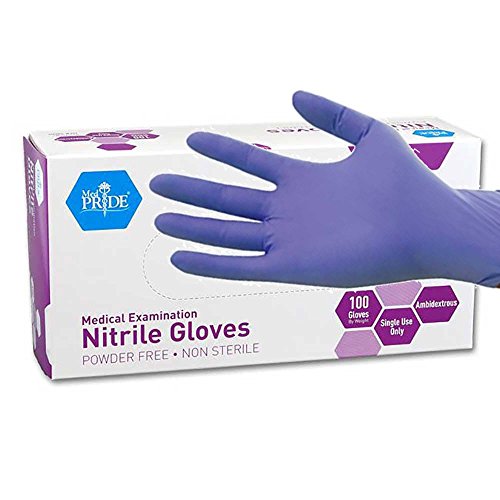
MedPride Powder-Free Nitrile Exam Gloves, Iris Blue, Medium, Box/100
$9.99 Check pricePrices change often - FIVE STAR MATERIALS RESOURCES
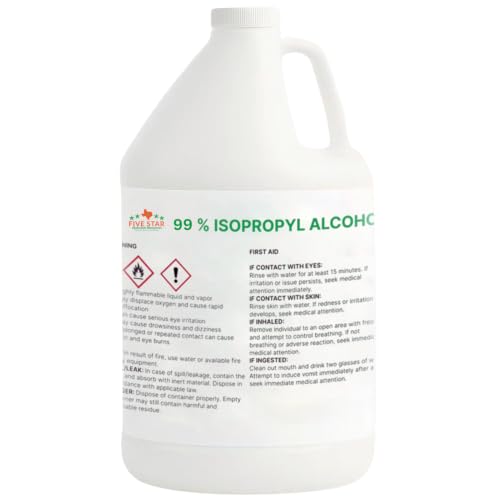
99% Isopropyl Alcohol, 99 Percent IPA Pure, 1 Gallon (128 fl oz) 4 Quarts
$26.99 Check pricePrices change often - FIVE STAR MATERIALS RESOURCES
99.9% Pure Isopropyl Alcohol, Concentrated IPA, 1 Gallon 4 Quarts Pack
$28.99 Check pricePrices change often



Safety
Common questions
Can I skip washing and just cure the part straight off the printer?
No. Curing without washing first hardens the uncured resin film directly onto the surface instead of removing it, which can trap tackiness in fine detail and leaves sensitizing resin baked onto the outside of an otherwise finished part. Wash first, then cure, in that order every time.
Does hotter or fresher isopropyl alcohol wash resin off faster?
Fresh, higher-concentration IPA washes more effectively than IPA that has already dissolved a lot of resin from previous washes, since it has more capacity left to dissolve additional resin. Concentration matters more than temperature for typical desktop resin washing.
Is sunlight actually enough to cure a part, or do I need a UV lamp?
Direct sunlight contains enough UV to cure most standard resins, and it is a reasonable free option if you can leave the part outside or on a sunny windowsill. A dedicated cure station gives more consistent, repeatable results and works regardless of weather or time of day, which matters more for parts with tight dimensional requirements.
Why does my cured part still feel tacky on one side?
Uneven curing usually means one side received less UV exposure than the rest, which happens on parts that were not rotated during curing or that have a shaded face against a support or fixture. Flip or rotate the part and give the tacky side additional cure time rather than assuming the whole part needs a full extra cycle.
What should I do if resin gets on my skin despite wearing gloves?
Wash the area promptly with soap and water rather than IPA, since IPA can help spread resin further into skin rather than removing it cleanly. This is a backup response, not a substitute for keeping resin off skin in the first place, since sensitization risk comes from repeated exposure over time.